Here is a number that should make you feel something: 640. That was the death toll on Irish roads in 1972. Six hundred and forty people. In a country of three million.
By the time the European Transport Safety Council got around to ranking us, Ireland had clawed its way into the top four safest countries in Europe. Not Sweden. Not Norway. But close. The kind of progress that doesn't happen by accident. Except, of course, it did happen because of accidents. Thousands of them.
Let's walk through the numbers.
The body count, decade by decade
The RSA has been tracking road fatalities since 1959. The story those numbers tell is stark.
1959. Ireland starts counting. 306 people killed in one year. Bad. And getting worse.
1972. The toll doubles to 640. This is the worst it will ever get, though nobody knows that yet. The seventies are carnage on tarmac.
The 1980s. Someone in government finally looks at the graphs and panics. New measures come in. Fatalities drop about 20%, from 588 to 485. Progress, but 485 people dead in a year is still a horror.
The 1990s. Down to 353. Better roads, better cars, better enforcement. The curve bends the right way.
2000s onward. The fall continues. By 2018, the number hits 148. A fraction of the seventies peak. If you squint, you can almost see a country that has figured this out.
Recent years. And then the squinting stops. The number starts wobbling. In 2024, 174 people were killed on Irish roads. In 2025, it was 190, the highest since 2014.
What the numbers actually mean
The long view is genuinely impressive. A 70% drop from the worst years of the seventies. Thousands of people alive today who wouldn't have been under the old odds.
But the recent trend is the opposite of impressive. That 2025 figure of 190 was an 8% jump on the year before. Motorcyclist and cyclist deaths hit their highest in over a decade. The line on the graph that was supposed to keep falling has gone flat. In places, it's ticking back up.
Progress is not a ratchet. It doesn't just lock in.
What would actually help
There is no mystery here. Road safety people have been saying the same things for decades, and the annoying part is they're right.
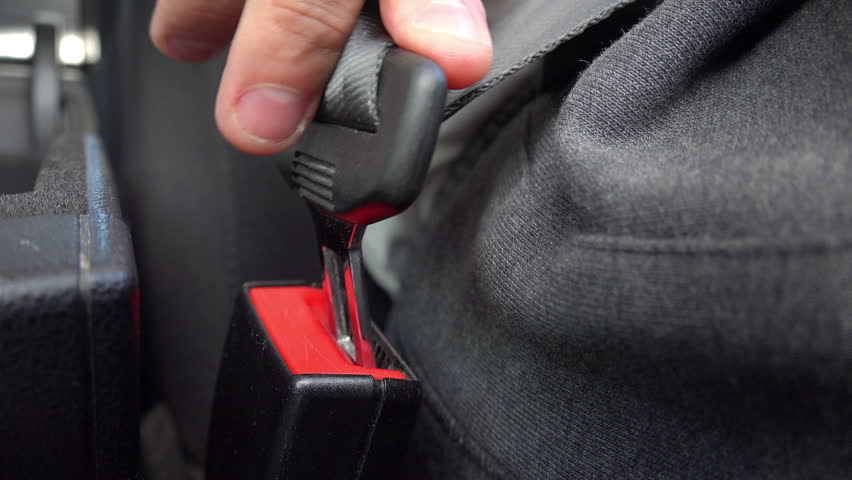
Drivers doing the basics. Seatbelt on. Phone down. Slow down. Don't drink and drive. None of this is new information. All of it still kills people when it's ignored.
Better roads and lighting. Poor infrastructure is a factor in a significant proportion of crashes. This costs money. Money the government keeps promising and keeps being slow to spend.
More Gardai on the roads. Every time Garda resources get stretched thin, the death toll nudges upward. Visibility matters. The knowledge that you might get caught matters. When enforcement drops off, people drive like nobody's watching. Because nobody is.
Where this leaves us
Ireland went from 640 dead in a year to 148. That is one of the great public safety achievements of the last half century, and it happened so gradually that most people never noticed.
But 190 people died on Irish roads in 2025. That is 190 families wrecked. And the number is heading in the wrong direction.
The country that nearly cracked this problem is now watching it un-crack. The fix is not complicated. It is just expensive, boring, and requires people to keep paying attention. Which, if you've ever driven the M50, you'll know is not our strongest suit.